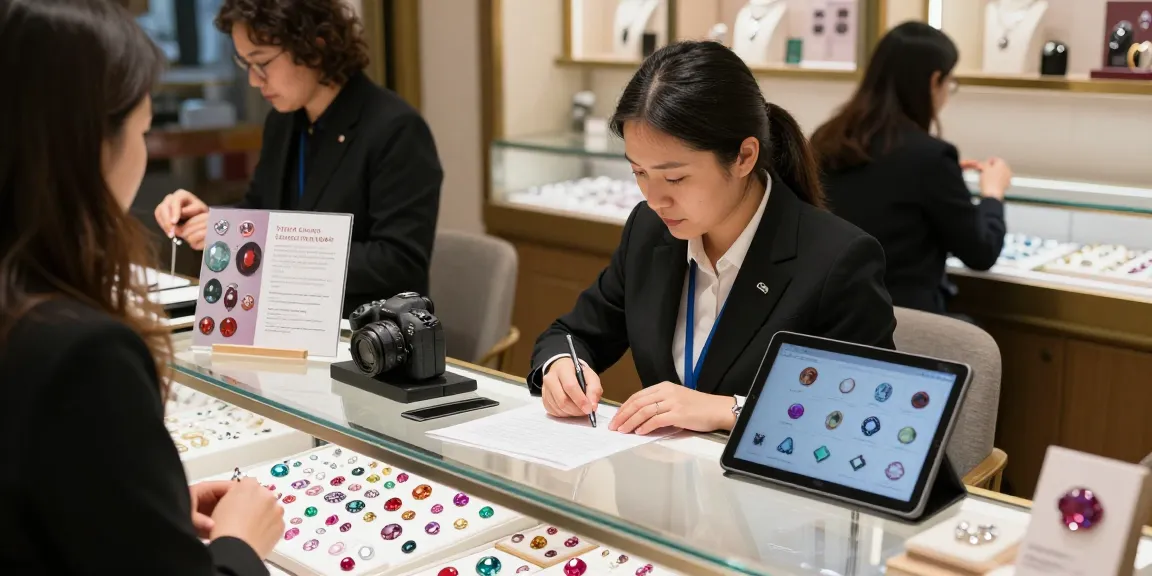
Understanding Gemstone Quality
In the vibrant world of gemstones, quality is a paramount criterion that influences both aesthetic appeal and market value. Whether you’re a seasoned collector or a novice enthusiast, understanding what constitutes a high-quality gemstone is essential for making informed purchases. This guide delves into the intricacies of gemstone quality, providing insights into the factors that determine the excellence of these natural wonders.
What Makes a Gemstone High-Quality?
High-quality gemstones share several defining characteristics that enhance their allure and value. These include:
- Color: The hue of a gemstone is one of the first things that catch the eye. Vibrant colors that are pure, intense, and uniform tend to command higher prices. For example, the deep blue of a Kashmir sapphire is far more desirable than a lighter, less saturated hue.
- Clarity: This refers to the presence of inclusions and blemishes within the gemstone. The fewer imperfections a stone has, the clearer and more valuable it becomes. A flawless diamond is significantly more expensive than one with visible flaws.
- Cut: The cut of a gemstone affects its brilliance and overall visual appeal. A well-cut gemstone reflects light beautifully, enhancing its beauty. The cut also determines how a gemstone interacts with light, which can amplify its color and clarity.
- Carat Weight: Larger gemstones are generally rarer and more valuable. However, two gemstones of the same carat weight can vary greatly in value based on the other quality factors.
Common Gemstone Certifications and What They Mean
When purchasing gemstones, certifications are crucial as they provide a degree of assurance regarding a gem’s quality. Notable certifications include:
- GIA (Gemological Institute of America): Renowned for its rigorous grading system for diamonds, GIA certification covers all aspects of quality, including cut, color, clarity, and carat weight.
- AGS (American Gem Society): Similar to GIA, AGS focuses on diamonds and provides a cut grading that is well respected in the industry.
- IGI (International Gemological Institute): IGI offers certifications for various gemstones, including colored stones and diamonds, focusing on features like color, clarity, and treatment.
How to Evaluate Gemstones Before Purchase
Evaluating a gemstone is both an art and a science. Here are some steps you can take to ensure you’re making a wise purchase:
- Request certification to verify authenticity.
- Observe under different lighting to assess color and clarity.
- Use a jeweler’s loupe to check for inclusions.
- Compare prices from multiple sources to ensure you’re getting a fair deal.
For further guidance, platforms like https://www.mygemspot.com offer valuable resources in selecting high-quality gemstones from trusted merchants.
Finding Trusted Merchants
Once you understand gemstone quality, the next step is finding reputable merchants to purchase from. The integrity of a seller significantly affects your buying experience and ensures the authenticity of your gemstone.
Why Merchant Reputation Matters
The reputation of a merchant can speak volumes about the quality of the gemstones they sell. Merchants who uphold ethical practices and transparency in their operations are more likely to provide high-quality products. Researching a merchant’s track record by checking reviews, testimonials, and their history in the industry can save you from potential pitfalls.
Top Tips for Locating Reliable Gemstone Sellers
Finding trustworthy gemstone sellers can enhance your experience as a buyer. Consider these tips:
- Seek Recommendations: Word-of-mouth referrals from friends or online communities can lead you to reputable merchants.
- Check Online Reviews: Platforms like Trustpilot or Google Reviews offer insights into customer satisfaction and merchant reliability.
- Visit Gem Shows: Attending local gem and mineral shows allows you to meet sellers in person, inspect their products firsthand, and ask questions.
Using Online Resources Like https://www.mygemspot.com Effectively
Online platforms have revolutionized gemstone shopping, connecting buyers with merchants from around the world. Utilize resources like https://www.mygemspot.com to access curated lists of trusted sellers and in-depth product descriptions. These platforms often vet their listed merchants, ensuring a level of trust in the online buying experience.
The Importance of Ethical Sourcing
In recent years, there has been a significant shift toward ethical sourcing within the gemstone industry, driven by consumer demand for socially responsible practices. Understanding this landscape is vital for responsible gemstone buyers.
What Does Ethical Sourcing Mean for Gemstones?
Ethical sourcing refers to obtaining gemstones in a manner that is environmentally sustainable and socially responsible. This means ensuring that gemstones are mined and sold without exploiting workers or damaging ecosystems. Ethical practices may include fair labor conditions, minimizing environmental impact, and contributing positively to local communities.
Identifying Ethically Sourced Stones
Identifying ethically sourced gemstones can be a challenge. Here are some tips:
- Look for certifications that indicate ethical practices.
- Research the mining practices of the merchant.
- Ask questions about the origin of the stone and its journey to the market.
How Ethical Practices Affect Gemstone Value
Ethically sourced gemstones often carry a premium price due to their transparent sourcing practices. Many consumers are willing to pay more for the knowledge that their purchase supports fair labor practices and environmental sustainability. Thus, investing in ethically sourced stones not only enhances your collection but also contributes to a more responsible industry landscape.
Trends in Gemstone Jewelry for 2026
The gemstone jewelry industry is ever-evolving, with new trends emerging each year. Keeping abreast of these trends can help you make savvy purchases and stay fashionable in your collection.
Popular Gemstone Colors and Cuts This Year
As we move through 2026, certain colors and cuts are gaining popularity:
- Vivid Greens: Emerald and peridot are becoming increasingly sought after for their lush, vibrant colors.
- Unique Cuts: While classic cuts like round and princess remain popular, unique cuts such as the cushion and rose cuts are trending for their artistic appeal.
Forecasting Future Trends in Gemstone Fashion
Fashion trends are cyclical, and gemstones are no exception. Expect to see:
- A rise in mixed-metal designs that incorporate gemstones for added flair.
- Layering pieces that feature multiple gemstones in different shapes and sizes for a bohemian look.
How to Incorporate Trending Gemstones into Your Collection
To keep your collection relevant and exciting:
- Stay informed through fashion shows and gemstone expos.
- Experiment with combinations of colors and textures in your jewelry.
- Consider investing in statement pieces that highlight current trends.
Maintaining Your Gemstones
Owning gemstones comes with the responsibility of proper care and maintenance. Maintaining their beauty and value is crucial for any collector.
Best Practices for Gemstone Care and Maintenance
Proper care can extend the life of your gemstones. Follow these guidelines:
- Clean your gemstones regularly with a soft cloth to remove dirt and oils.
- Avoid exposing them to harsh chemicals, including household cleaners and perfumes.
- Store them separately to prevent scratching and tangling.
How to Store Your Gemstones Safely
Safe storage is critical in preserving the integrity of your stones:
- Use cotton pouches or soft-lined jewelry boxes for individual storage.
- Avoid plastic bags as they can trap moisture, leading to tarnish and deterioration.
- Store in a cool, dry place away from direct sunlight to prevent fading.
When to Seek Professional Cleaning Services
While regular cleaning can be done at home, professional cleaning may be necessary for the following reasons:
- Deep cleaning to remove accumulated dirt and oils.
- Restoration of brilliance in stones that have lost their luster.
- Repairing any potential damage that requires specialized tools.
What Should I Look for When Buying Gemstones?
When purchasing gemstones, consider the following:
- Check for certifications of authenticity and quality.
- Evaluate the overall appearance including color, cut, and clarity.
- Inquire about the merchant’s return policy and warranty.
How Can I Tell if a Gemstone is Real?
Real gemstones possess distinct characteristics that differentiate them from fakes or synthetics:
- Inclusions: Natural stones often have unique inclusions, while synthetics may appear flawless.
- Weight: Real gemstones typically weigh more than fakes made from lighter materials.
- Temperature: Genuine stones tend to feel cooler than glass or plastic alternatives.
Are There Any Risks in Online Gemstone Shopping?
Online shopping comes with its own set of risks, particularly in the gemstone sector:
- Potential for misrepresented quality or counterfeit stones.
- Lack of personal inspection prior to purchase.
- Difficulty in authenticating seller credibility without proper reviews.
What Are the Signs of a Quality Merchant?
Identifying a quality merchant is crucial for a successful purchase:
- Positive customer reviews and verified feedback.
- Transparency in pricing and product descriptions.
- A robust return policy and customer service availability.
How to Assess the Value of a Gemstone?
Determining a gemstone’s value involves various factors:
- Assessing quality through the four Cs: cut, color, clarity, and carat weight.
- Comparing prices of similar stones from different sources.
- Understanding market trends and demand for specific types of gemstones.