
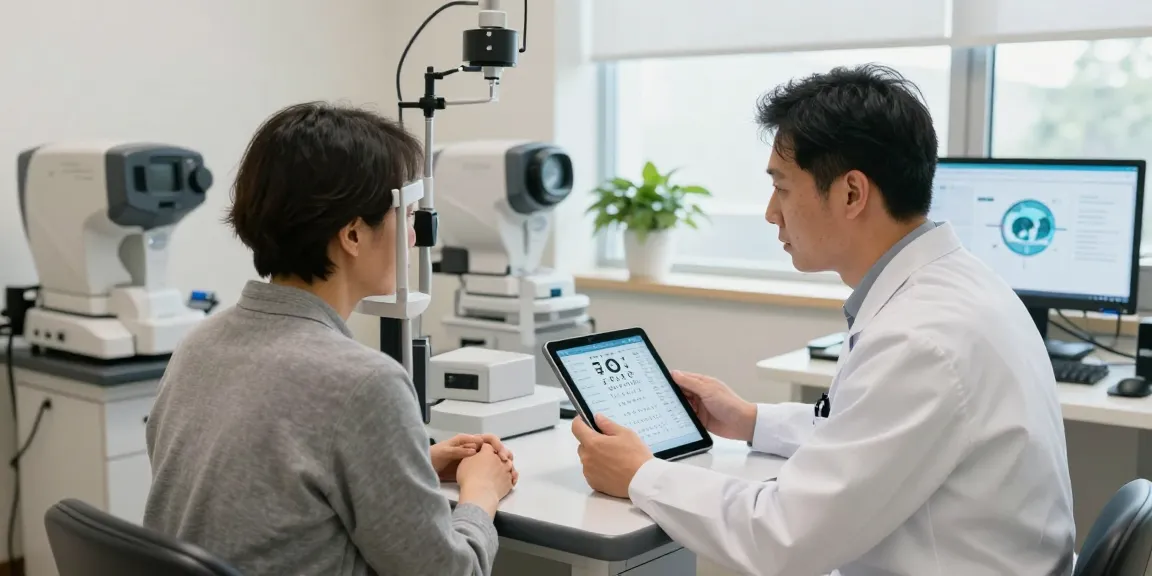
Understanding Vision Health and Common Issues
Vision health is not just about seeing well; it encompasses a wide range of factors that contribute to overall eye health. With advancements in research and technology, understanding vision and its complexities has become more accessible. Many individuals experience various common vision problems, and lifestyle choices can significantly affect eye health. This article aims to provide insights into the common issues faced, innovative treatments at SNU Eye Clinic, and the importance of thorough eye testing. Engaging with reputable sources and understanding the science behind your eye health enables you to continue extra learn about effective eye care solutions.
What Are the Most Common Vision Problems?
Several vision problems are prevalent among all age groups, ranging from mild to severe. Some common issues include:
- Myopia (Nearsightedness): A condition where distant objects appear blurry while nearby objects can be seen clearly.
- Hyperopia (Farsightedness): Difficulty in seeing nearby objects clearly, while distance vision may remain intact.
- Astigmatism: Distortion in vision caused by an uneven curvature of the cornea or lens, leading to blurred vision at all distances.
- Presbyopia: An age-related condition that affects the eye’s ability to focus on nearby objects, commonly beginning around the age of 40.
Addressing these conditions early on can prevent further deterioration and enhance quality of life.
How Lifestyle Choices Affect Eye Health
Our daily habits play a crucial role in maintaining good eye health. Factors such as diet, screen time, and environmental conditions all contribute significantly. For instance, diets rich in antioxidants and omega-3 fatty acids can support retinal health and may lower the risk of macular degeneration. Conversely, excessive exposure to screens without adequate breaks can lead to digital eye strain, characterized by dry eyes, headaches, and difficulty focusing. Making informed lifestyle choices can help mitigate these risks and improve overall eye health.
Signs You Should Visit an Eye Specialist
Many individuals overlook the need for regular eye exams, often waiting until they experience discomfort or vision changes. Here are some signs that indicate it may be time to consult an eye specialist:
- Frequent headaches, especially after visual tasks.
- Difficulty focusing on objects or reading small print.
- Noticing halos around lights or sudden flashes of light.
- Changes in color perception or blurred vision.
Being proactive about your eye health can lead to early diagnosis and treatment of potential issues.
Innovative Treatments Available at SNU Eye Clinic
At SNU Eye Clinic, we pride ourselves on offering cutting-edge treatments tailored to individual needs. Our comprehensive approach to eye care includes various options, ensuring that patients receive effective solutions for their specific conditions.
Overview of Eye Surgery Options
With advancements in surgical techniques, many eye conditions can now be addressed effectively. Some of the eye surgery options available at SNU Eye Clinic include:
- LASIK: A popular refractive surgery that corrects myopia, hyperopia, and astigmatism by reshaping the cornea.
- PRK: Similar to LASIK, but involves the removal of the outer layer of the cornea, making it suitable for patients with thinner corneas.
- SMILE: A minimally invasive technique for myopia correction that involves creating a small incision in the cornea.
Personalized Vision Correction Techniques
Every patient’s eyes are unique, which is why personalized vision correction techniques are essential. At SNU Eye Clinic, we conduct detailed assessments to determine the best surgical or corrective path for each patient, ensuring optimal outcomes. Our approach emphasizes one-on-one consultations, enabling patients to make informed decisions regarding their vision health.
ICL and Toric ICL: Advanced Solutions Explained
Intraocular Collamer Lens (ICL) and Toric ICL are advanced options for those not suited for traditional laser surgeries. ICL is especially beneficial for individuals with high levels of myopia or hyperopia, offering significant improvements without altering the cornea. Toric ICL specifically addresses astigmatism by correcting curvature issues at the same time. These technologies provide a greater range of vision correction while maintaining the eye’s natural functioning.
Importance of Comprehensive Eye Testing
A comprehensive eye examination is fundamental for identifying vision issues early and outlining effective treatment plans. At SNU Eye Clinic, we employ a robust assessment protocol to ensure a complete understanding of each patient’s eye health.
What Does a Complete Eye Exam Entail?
A complete eye exam typically includes a series of tests and evaluations aimed at assessing visual acuity and overall eye health. Key components are:
- Visual Acuity Test: Measures the sharpness of your vision at different distances.
- Refraction Assessment: Identifies the appropriate lens prescription needed to correct vision problems.
- Slit-Lamp Examination: Provides a thorough look at the structures of the eye, including the cornea, iris, and lens.
Understanding the 52 Detailed Tests Offered
Our clinic utilizes a comprehensive program comprising 52 detailed tests across seven categories, designed to evaluate various aspects of eye health. These tests help identify underlying issues that may not be apparent during standard examinations. Our extensive testing allows for more accurate diagnoses and more effective treatment plans. Some tests include:
- Visual Field Testing
- Fundus Photography
- Optical Coherence Tomography (OCT)
How Testing Helps Tailor Treatment Plans
Understanding the results of these tests is crucial in tailoring individualized treatment plans. By recognizing specific conditions and their severity, our specialists can recommend targeted interventions that are most suitable for each patient. This personalized approach not only enhances patient satisfaction but also increases the success rates of treatments.
Navigating the Eye Care Journey at SNU Eye Clinic
We prioritize the patient experience at SNU Eye Clinic, ensuring each step of the journey is clear and supportive. From your first consultation to post-operative care, we are committed to guiding you through the entire process.
What to Expect During Your First Consultation
Your initial visit will involve a detailed discussion about your vision concerns, medical history, and a thorough examination. Our specialists will explain the various tests conducted and the reasons for each, providing transparency and building trust.
Steps to Prepare for Eye Surgery
Preparation is key to a successful surgery. Patients should follow pre-operative instructions, which typically include:
- Avoiding contact lenses a few days before your procedure.
- Arranging for post-operative transportation.
- Discussing any medications or supplements with your doctor.
Adhering to these guidelines is crucial for optimal outcomes.
Post-Operative Care and Follow-Up
After surgery, follow-up appointments are essential to monitor healing and ensure the success of the procedure. Patients should be aware of potential signs of complications, such as persistent pain or changes in vision, and contact the clinic if these occur. Our team will provide detailed post-operative care instructions to aid recovery and enhance the final results of your surgery.
Future Trends in Eye Care for 2026 and Beyond
As technology continues to evolve, so does the field of eye care. Staying abreast of future trends is vital for both healthcare providers and patients alike, as it can lead to better treatment outcomes and innovations in care.
Emerging Technologies in Vision Correction
Several emerging technologies are expected to reshape vision correction, including:
- Robotic-Assisted Surgery: Enhances precision during surgical procedures.
- 3D Imaging: Offers detailed insights into eye anatomy, leading to improved treatment strategies.
- Gene Therapy: Holds potential for treating hereditary eye disorders at the genetic level.
Predictions for the Future of Eye Health
As we look towards 2026, trends suggest increased personalization in treatments based on genetic and lifestyle factors. Artificial intelligence may play a larger role in diagnostics, offering advanced predictive analytics for better management of eye conditions.
How SNU Eye Clinic is Pioneering New Approaches
SNU Eye Clinic is committed to being at the forefront of these advancements. Continual training for our staff and investment in new technologies ensure that we provide the best possible care for our patients.
What types of eye treatments does SNU Eye Clinic offer?
We provide a wide range of treatments tailored to each patient’s specific needs, including laser eye surgery, ICL procedures, and specialized care for conditions like cataracts and glaucoma.
How can I prepare for an eye surgery consultation?
Patients should gather information about their medical history, any current medications, and be prepared to discuss their vision goals and concerns in detail.
What are the benefits of ICL over traditional lenses?
ICL procedures offer advantages such as stable vision correction, less dependency on glasses, and a quick recovery time compared to traditional lens options.
How often should I get my eyes tested?
It is generally recommended that adults have their eyes examined every 1-2 years, while those with existing conditions may require more frequent check-ups.
What advancements in eye care should I be aware of in 2026?
Advancements such as gene therapy, AI in diagnostics, and minimally invasive surgical techniques are shaping the future of eye care, promising improved outcomes and individualized treatment strategies.


